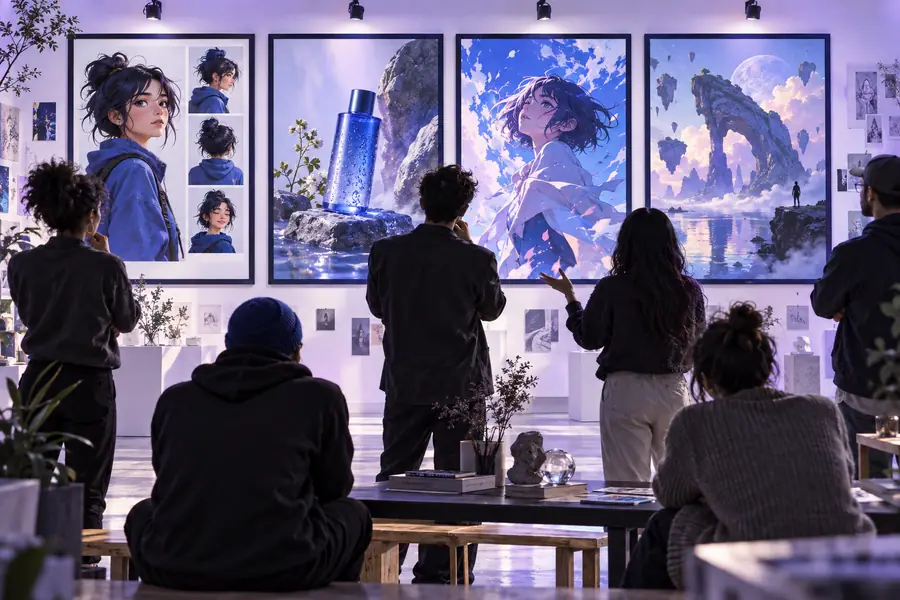
Workflow gallery

See Lora AI Examples Reddit Creators Can Use

These lora ai examples reddit discussions point to a practical pattern: start with a clear visual goal, apply one focused LoRA, and compare the result against the original brief. Here is how that workflow fits into real creative pipelines.

Lora AI examples showing a range of generated visual workflows

The audience's existing pipeline

Most creators do not begin with a blank canvas. They already have a reference folder, a prompt habit, a preferred model, or a review loop that can absorb a focused LoRA step.

Character artists

A character artist has a reference sheet, a base model, and several poses that need to retain the same identity.

Use a character-focused LoRA as a controlled test, then compare face, clothing, silhouette, and pose retention before committing to a larger batch.

lora ai anime
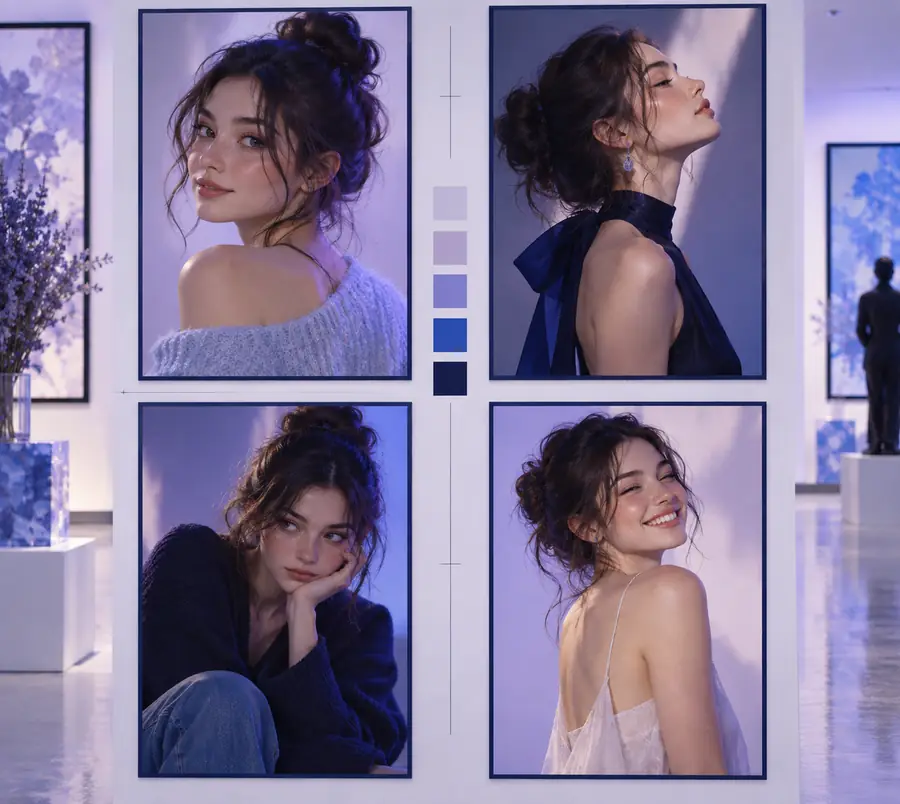
Product and brand teams

A small team wants product visuals that preserve a recognizable package, color system, or campaign mood across multiple scenes.

Separate the product identity from the scene prompt so the team can change setting and lighting without losing the central visual cue.

free lora ai images

Concept artists

A concept artist is exploring architecture, environments, or costume directions and needs quick alternatives without rebuilding every composition manually.

Use one LoRA as a style or subject experiment, keeping the prompt structure stable while reviewing which visual traits actually transfer.

lora ai generator

Workflow builders

A creator already works in a node-based or model-driven setup and wants a clearer way to document what changed between two outputs.

Record the base model, LoRA strength, prompt, seed when relevant, and selected output so later iterations remain understandable and repeatable.

ai lora models

Where we slot in

The useful role is not to replace the pipeline. It is to create a narrow experiment between the initial brief and the review step, with enough context to explain why the output changed.

  1. 1

    Define the visual variable

    Choose one thing to test: a character identity, a product appearance, a drawing style, or a recurring environment detail. Keep the rest of the brief as stable as possible.

  2. 2

    Run a focused comparison

    Use the same broad prompt structure for the baseline and the LoRA-assisted version. Note the model, LoRA name, strength, prompt changes, and any reference images used.

  3. 3

    Keep the useful result

    Select the output that best matches the brief, then save the prompt and settings beside it. Treat the comparison as evidence for the next pass, not as a guarantee of perfect consistency.

Before and after

A useful deliverable makes the change visible and explainable. These quantities are a practical review template rather than a promise about every model or interface.

1 A single visual objective to keep the comparison focused
1 brief
2 Enough alternatives to judge whether the LoRA changes the intended trait
3 variants
3 A baseline pass and a focused LoRA pass for direct review
2 passes
4 A saved prompt-and-settings note for the selected output
1 record
  • It cannot repair a weak brief

    A LoRA may emphasize a learned trait, but it cannot decide whether the composition, audience, or visual objective is right.

    WorkaroundWrite the subject, setting, mood, and non-negotiable details before testing the model.

  • It cannot guarantee identity in every pose

    Faces, hands, clothing, and small accessories can drift when the pose, camera angle, or lighting changes substantially.

    WorkaroundCompare several controlled variants and keep the reference or prompt structure consistent.

  • It cannot replace model compatibility checks

    A LoRA trained for one base model or workflow may behave poorly when moved to another environment.

    WorkaroundConfirm the intended base model and test at a modest strength before building a larger batch.

  • It cannot make every output production-ready

    Generated images may still need cleanup, compositing, resizing, typography, or review for artifacts and rights concerns.

    WorkaroundTreat the result as a creative source or draft unless it has passed your normal quality checks.

Deliverable spec

The strongest example is not simply the prettiest image. It shows the input, the controlled change, and the decision a creator can make after comparing both outputs.

  • Baseline brief
  • Focused LoRA result

Label the model, LoRA, strength, prompt, and review decision beside each image.

Initial visual brief for a character consistency test
Character consistency result across a focused generation workflow

Turn a useful example into your next test

Start with one visual question instead of trying to control everything at once. Lora AI works best in this context as a documented experiment: define the trait, compare a baseline, review the result, and preserve the settings that helped.

Try Lora AI
  • Start from a concrete visual brief
  • Compare before changing the whole workflow
  • Keep prompts and settings with the selected output

Scenario FAQ

Look for examples that show a clear input, a focused change, and enough context to understand the result. Character consistency, product presentation, style exploration, and environment variations are useful because the comparison has a visible purpose.

Check whether the example identifies the base model, the LoRA, the prompt approach, and the important settings. If it only shows a final image without context, treat it as inspiration rather than a reproducible recipe.

They can help you test whether a character-focused LoRA preserves recognizable traits across selected poses or scenes. They do not guarantee identical results, so review face, clothing, proportions, and accessories across multiple outputs.

Save the source brief, base model, LoRA name, strength, prompt, reference images, and the chosen output. A short note explaining why the result worked is also valuable when you return to the workflow later.

Start creating
Start creating